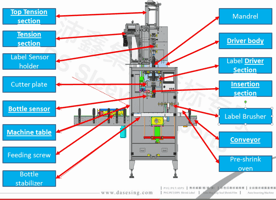

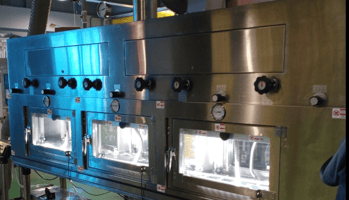
Discover the unstoppable progress in shrink sleeve systems and the mastery of the shrink tunnel...
Optimizing Space Utilization for Improved Efficiency
Discover how optimizing space utilization can significantly improve efficiency in your facility of shrink sleeve system.
The Importance of Space Utilization
Efficient space utilization is crucial for maximizing productivity and profitability in any facility. When space is used effectively, it can lead to improved workflow, reduced operational costs, and increased overall efficiency. By optimizing space utilization, businesses can make the most of their available resources and create a more streamlined and productive environment.
One of the key benefits of optimizing space utilization is the ability to accommodate growth and expansion. As businesses evolve and expand, the need for additional space becomes inevitable. By utilizing existing space efficiently, businesses can delay the need for costly expansions or relocations, saving both time and money.
Furthermore, efficient space utilization allows for better organization and accessibility of resources. When every inch of space is utilized effectively, it becomes easier for employees to locate and access the tools, equipment, and materials they need to perform their tasks. This minimizes downtime and improves productivity, ultimately leading to increased output and customer satisfaction.
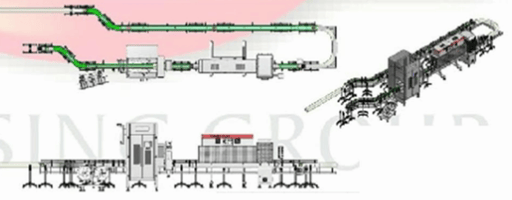
In summary, optimizing space utilization is essential for businesses looking to improve efficiency, reduce costs, and enhance overall productivity. By making the most of available space, businesses can create a more organized, accessible, and productive environment. Dase-Sing provides professinoal layout suggestions for customers. The suggestions is dependent on production speed (BPM: Bottle per minutes / BPH :Bottle per hour); tamper evident, body label or both; flexibility of container types; management of rejection bottles; down shrink sleeve machine buffer cover arrangement.
Assessing Current Space Utilization
Before implementing any space optimization strategies, it is important to assess the current space utilization in your facility. This involves analyzing how space is currently being used, identifying any inefficient or underutilized areas, and understanding the specific needs and requirements of your operations.
To assess current space utilization, start by conducting a thorough inventory of your facility. Measure the dimensions of each area and determine how it is currently being utilized. Look for any areas that are overcrowded, cluttered, or unused. Identify any bottlenecks or areas where workflow is impeded due to space constraints.
In addition to physical observation, it can be beneficial to gather feedback from employees and stakeholders. They may have valuable insights and suggestions for improving space utilization based on their day-to-day experiences. Consider conducting surveys or holding discussions to gather this information.
By thoroughly assessing current space utilization, you can identify areas for improvement and develop targeted strategies to optimize space and enhance efficiency in your facility. Dass-Sing service team and technicall support team are capable of consulting based on 30 years' experience.
Identifying Potential Bottlenecks
Identifying potential bottlenecks is a critical step in optimizing space utilization. Bottlenecks are areas or processes that limit the flow of work and cause delays or inefficiencies. By identifying and addressing these bottlenecks, businesses can improve overall productivity and ensure smoother operations.
One way to identify potential bottlenecks is by mapping out the workflow of your facility. This involves analyzing how materials, information, and people move through different areas and processes. Look for areas where congestion or slowdowns occur, as these are often indicators of bottlenecks.
Another approach is to analyze data and performance metrics. By tracking key performance indicators (KPIs) such as production rates, cycle times, and inventory levels, you can identify patterns or trends that may be indicative of bottlenecks. Use this data to pinpoint areas that require attention and improvement.
Once potential bottlenecks are identified, it is important to prioritize them based on their impact on overall efficiency. Develop strategies and solutions to address each bottleneck, whether it involves rearranging space, optimizing processes, or implementing new technologies. By effectively addressing bottlenecks, businesses can optimize space utilization and improve overall efficiency.
Implementing Space Optimization Strategies
Implementing space optimization strategies is key to maximizing space utilization and improving efficiency in your facility. There are several strategies that businesses can consider, depending on their specific needs and constraints.
One strategy is to reconfigure the layout of your facility. By rearranging workstations, equipment, and storage areas, businesses can optimize the use of space and create more efficient workflows. Consider the flow of materials and people, and ensure that each area is easily accessible and well-organized.
Another strategy is to invest in space-saving technologies and equipment. This may include automated storage systems, compact machinery, or mobile workstations. By utilizing innovative solutions, businesses can make the most of limited space and increase overall productivity.
Additionally, businesses can consider implementing flexible work arrangements such as hot-desking or remote work options. This can help reduce the need for individual workstations and create more flexible and adaptable spaces.
It is important to regularly review and adjust space optimization strategies to ensure their effectiveness. Monitor key performance indicators and gather feedback from employees to identify any areas for improvement or modifications. By continuously optimizing space utilization, businesses can maintain high levels of efficiency and productivity.
Monitoring and Adjusting for Continuous Improvement
Monitoring and adjusting for continuous improvement is essential to sustain optimized space utilization and efficiency in your facility. This involves regularly assessing the effectiveness of space optimization strategies, identifying any new challenges or bottlenecks, and making necessary adjustments.
Implement robust monitoring systems to track key performance indicators and gather data on space utilization. This can include occupancy rates, utilization rates, and overall productivity metrics. Analyze this data to identify any areas that require attention or improvement.
In addition to data analysis, it is crucial to gather feedback from employees and stakeholders. They may have valuable insights or suggestions for further improving space utilization. Consider conducting regular surveys or holding discussions to gather this feedback and incorporate it into your continuous improvement efforts.
Based on the insights gathered, make necessary adjustments to your space optimization strategies. This may involve rearranging work areas, investing in new technologies, or implementing process improvements. Regularly review and update your strategies to ensure they align with your evolving needs and goals.
By monitoring and adjusting for continuous improvement, businesses can sustain optimized space utilization and continuously enhance efficiency in their facility.
Dase-Sing provides professional plans and suggestions for customers based on viewpoint of operation and installation. This will help you to rule out major blocker in actual practice.